
float flat glass
Replacing Water Cut-Off Valves A Comprehensive Guide Water cut-off valves, also known as shut-off valves, play a crucial role in plumbing systems. They are designed to stop the flow of water in pipes, allowing homeowners and plumbers to perform repairs or maintenance without flooding the area. Over time, these valves can corrode, become damaged, or malfunction, necessitating their replacement. Understanding the process of replacing water cut-off valves is essential for anyone interested in home maintenance or plumbing. 1. Understanding Water Cut-Off Valves Water cut-off valves can be found in various types, including ball valves, gate valves, and globe valves. Each type functions differently, but their primary purpose remains the same to regulate water flow. Ball valves are popular due to their durability and ease of use, featuring a spherical closure element that allows for quick on/off operation. Gate valves are better suited for applications where a full flow is essential, while globe valves are often used for throttling flow. 2. Safety First Before you begin the replacement process, safety should be your top priority. Start by shutting off the main water supply to your home. It is also advisable to drain the pipes to prevent any residual water from leaking out during the replacement process. You may want to place towels or a bucket beneath the valve area to catch any leftover water. 3. Gather Your Tools To replace a water cut-off valve, you will need several tools, including - Pipe wrench or adjustable wrench - Hacksaw (if cutting is necessary) - Teflon tape or pipe joint compound - Replacement valve - Bucket or towels for cleanup Make sure you have all these tools at hand before starting the process. replacing water cut off valves 4. Remove the Old Valve Begin the removal process by loosening the nuts or screws holding the valve in place. Depending on the valve's condition, you might need to use a pipe wrench to apply more torque. If the old valve is rusted or corroded, take care not to damage the surrounding pipes. If you encounter a stubborn valve, cutting the pipe section with a hacksaw may be necessary. Remember to cut straight to ensure a proper fit for the replacement valve. 5. Install the New Valve Once the old valve is removed, it is time to install the new one. Start by applying Teflon tape or pipe joint compound to the threads of the new valve to ensure a watertight seal. Then, position the new valve in place, tightening it securely with your wrench. Be careful not to overtighten, as this can lead to damage or future leaks. 6. Test for Leaks With the new valve installed, it’s time to turn the main water supply back on. Gradually open the new valve to check if it operates smoothly. Observe the area around the valve for any signs of leaks. If you notice water seeping out, you may need to tighten the connections a bit more or reapply Teflon tape if necessary. 7. Final Steps After you’ve confirmed that everything is functioning correctly and there are no leaks, clean up the area and dispose of the old valve responsibly. Double-check that all tools are accounted for and ensure you have restored the workspace to its original condition. Conclusion Replacing water cut-off valves may seem daunting at first, but with the right tools, safety precautions, and attention to detail, it can be a manageable DIY project. Whether you’re dealing with a leaky valve or simply conducting routine maintenance, knowing how to replace these valves is a valuable skill for any homeowner. Always remember to consult a professional plumber if you encounter any challenges that exceed your comfort level. With proper care and timely replacements, you can ensure that your plumbing system functions efficiently and effectively.
about
float flat glass
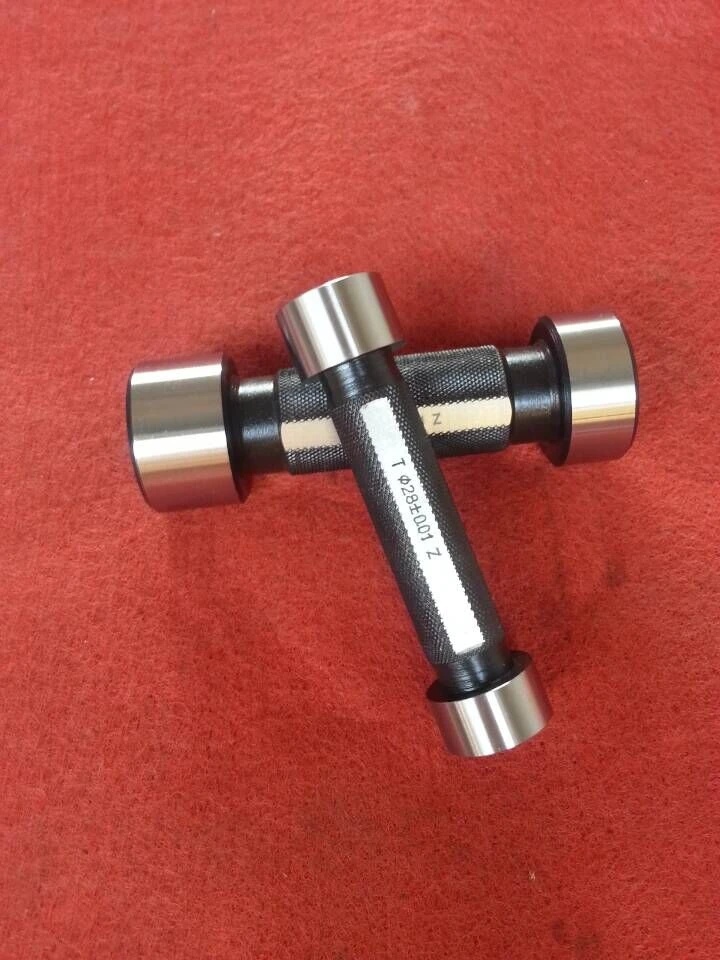
Understanding Thread Ring Gauge Sets A Comprehensive Guide In the realm of precision engineering and manufacturing, the thread ring gauge set is an essential tool used to ensure the accuracy and integrity of threaded components. Threaded fasteners, such as bolts and nuts, play a critical role in structural integrity across various industries, including automotive, aerospace, and construction. A thread ring gauge set helps manufacturers and quality control personnel verify that these components meet specified standards, thereby preventing failures that can lead to catastrophic results. What is a Thread Ring Gauge Set? A thread ring gauge set consists of several gauges, each designed to check the dimensional properties of external threads. The set typically includes both go and no-go gauges. The go gauge is used to verify that the thread dimensions are within the acceptable tolerance levels, ensuring that a bolt or screw can be properly engaged with a corresponding nut. The no-go gauge, on the other hand, is employed to confirm that the threading does not exceed the maximum allowable limits, which could make assembly impossible or lead to failure under load. These gauges come in various sizes and thread configurations, aligning with the standards set by organizations such as the American National Standards Institute (ANSI) and the International Organization for Standardization (ISO). This ensures compatibility across different manufacturing sectors and international markets, facilitating smoother trade and production processes. Importance of Thread Ring Gauge Sets The significance of using thread ring gauges cannot be overstated. Accuracy in threaded fasteners is paramount; even minor deviations can lead to inadequate performance or structural failures. The use of thread ring gauges helps in thread ring gauge set 1. Quality Control Regular inspection with thread ring gauges aids in maintaining high-quality production standards. Any out-of-specification components can be identified and discarded early in the process, saving time and resources. 2. Safety Assurance Given the critical nature of applications involving threaded fasteners, using thread ring gauges minimizes the risk of structural failures. This is particularly important in industries like aerospace, where a failure can have catastrophic consequences. 3. Cost Efficiency While the initial investment in a thread ring gauge set can be significant, the long-term benefits far outweigh the costs. Reducing the number of defective parts leads to lower warranty claims and recalls, saving manufacturers considerable money. 4. Standard Compliance Compliance with industry standards is crucial for manufacturers. Regularly utilizing thread ring gauges ensures that products adhere to both domestic and international specifications, enhancing a company's reputation and marketability. Conclusion In summary, a thread ring gauge set is an indispensable part of precision engineering, helping ensure that threaded components meet stringent quality and safety standards. Their systematic use in manufacturing processes not only enhances product reliability but also builds a foundation for continuous improvement in quality assurance practices. As industries increasingly prioritize precision and safety, the importance of adopting such measurement tools will continue to grow, making thread ring gauge sets crucial to any manufacturer focused on excellence.
-

High quality industrial productsagement

High quality industrial products
View Details -

Meet the diverse needs of customers

Meet the diverse needs of customers
View Details -

Strict quality control

Strict quality control
View Details -

Top raw materials

Top raw materials
View Details -

Trusted supplier

Trusted supplier
View Details
Our application



news and information
Van cầu 2 inch chất lượng cao cho hệ thống ống nước hiệu quả
2 inch globe valve .
Van cầu 2 1 2
Đồng hồ van cầu 2 1 2 là một trong những thiết bị quan trọng trong hệ thống ống dẫn chất lỏng, đặc b
Welding Inspection Guide for Accurate Measurement and Quality Assurance
The Importance of Welding Inspection Rulers in Quality Control Welding plays a crucial role in the m
 English